
After Trump’s Tariffs, India Drops Plans to Buy F-35 Jets from US
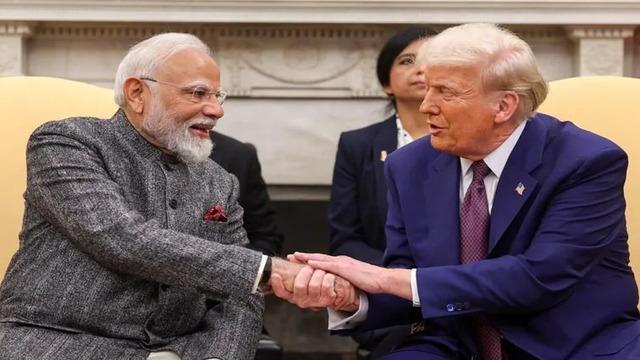
Following former US President Donald Trump’s imposition of a 25% tariff on Indian goods, New Delhi is unlikely to proceed with major defence purchases from the United States.
While the Indian government is not planning any immediate retaliation, it has reiterated its commitment to protecting the interests of farmers, workers, entrepreneurs, exporters, MSMEs, and all segments of industry.
According to a Bloomberg report, India has informed the US that it is not interested in purchasing F-35 stealth fighter jets, which Trump had proposed selling during Prime Minister Narendra Modi’s visit to Washington in February this year. Instead, the Modi government is reportedly focused on fostering a partnership centered on the joint design and domestic manufacturing of defence equipment.
In addition to the tariffs, Trump has also threatened penalties against India for continuing to buy oil and defence equipment from Russia. Criticizing both India and China for their ties with Moscow amid the ongoing war in Ukraine, Trump wrote on Truth Social: “I don’t care what India does with Russia. They can take their dead economies down together, for all I care. We have done very little business with India — their tariffs are too high, among the highest in the world. Likewise, Russia and the USA do almost no business together…”
Responding to the “dead economy” jibe, Union Commerce Minister Piyush Goyal told Parliament on Thursday (July 31) that India is among the fastest-growing economies in the world and is poised to become the third largest. He further emphasized that any trade agreement with the US would only be pursued if it aligns with India’s national interests.
In line with the minister’s remarks, Bloomberg reported that India is not currently considering retaliatory measures and is keen on maintaining momentum in bilateral trade discussions.
To that end, India is reportedly exploring the possibility of increasing imports of natural gas, communication equipment, and gold from the US — a move that could help reduce its trade surplus with Washington over the next three to four years, the report added.


