
Why Did Mamata Banerjee Lose After 15 Years in Power? Explained Simply
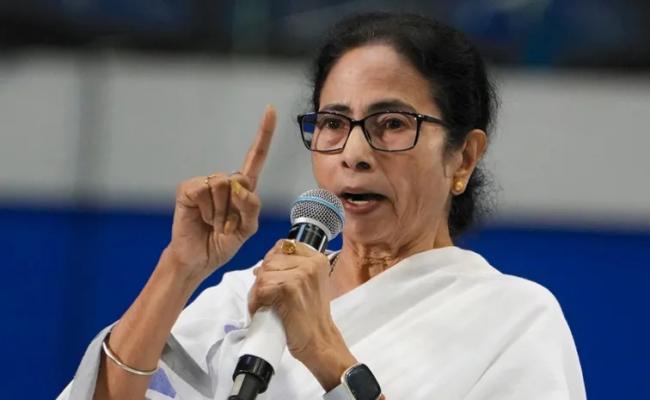
Mamata Banerjee, who ruled West Bengal for 15 years, has now lost power in the 2026 Assembly elections. She had earlier ended the Left’s 34-year rule in 2011 and became one of the strongest leaders in state politics. Known as “Didi,” she built her image by supporting poor people through welfare schemes like free rice and financial help. But in 2026, her long political journey in power came to an end.
According to election trends, the BJP crossed the majority mark and is set to form the government in West Bengal for the first time. This is a major political change in the state.
One big reason for this loss is anti-incumbency. After 15 years in power, many voters wanted change. People felt that the same leadership and system had been continuing for too long, and dissatisfaction slowly increased.
Another major issue was the RG Kar hospital case in 2024, where a trainee doctor was raped and murdered. This incident shocked the entire state and affected Mamata Banerjee’s image, especially among women voters. Many people were unhappy with how the government handled the situation.
The teacher recruitment scam also played a big role. Many young people who prepared for government jobs felt cheated, as reports suggested jobs were given unfairly. This created anger among students and families.
The Sandeshkhali issue also damaged the government’s image. There were serious allegations of violence, land grabbing, and misconduct by local leaders. The delay in action and court intervention made the situation worse in the eyes of the public.
Another factor was internal party issues. Mamata Banerjee’s nephew, Abhishek Banerjee, became very powerful in the party, and many people felt that the party was turning into a family-controlled system. This did not go well with some voters and leaders.
Minority vote support, which was earlier strong for Mamata, also saw changes this time. Some reports suggested that voter list changes and shifting preferences affected the overall vote calculation.
The Election Commission also made strict arrangements this time. With heavy security and better monitoring, voting was more controlled, and this may have reduced unfair practices.
In some areas, re-polling was even ordered due to serious complaints, which further highlighted election issues.
The Matua community, an important voter group, also shifted support. While Mamata focused on welfare, the BJP promised citizenship benefits, which influenced many voters.
Lastly, urban middle-class voters in Kolkata came out in large numbers. Many of them were unhappy with issues like corruption and safety, and they played an important role in the final result.
In simple terms, Mamata Banerjee lost the election due to a mix of reasons—public dissatisfaction after long rule, major controversies, corruption allegations, strong opposition strategy, and changing voter preferences. This election marks a big turning point in West Bengal politics.


