
World Cancer Day 2026 on February 4: Theme, Importance, History and Cancer Symptoms
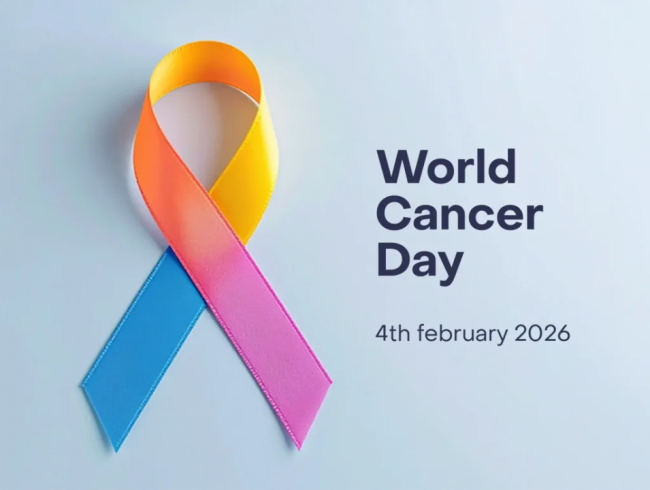
Every year on February 4, the world comes together to observe World Cancer Day, a global initiative aimed at increasing awareness, improving education, and strengthening action around cancer prevention, early detection, and treatment. Despite major advances in medical science, cancer continues to be one of the biggest public health challenges, claiming more than 10 million lives annually, according to the World Health Organization. The observance serves as a reminder that timely diagnosis, improved screening, access to quality treatment, and coordinated global action are critical to reducing the cancer burden.
World Cancer Day 2026 Theme: United by Unique
The theme “United by Unique” continues into World Cancer Day 2026, reinforcing a global shift toward personalised, patient-centric cancer care. The campaign highlights that every cancer journey is different and that treatment approaches must reflect the individual needs, circumstances, and experiences of patients. Part of a three-year global campaign running from 2025 to 2027, the theme places the spotlight on the lived experiences of patients, survivors, and caregivers, encouraging empathy, inclusivity, and customised care models to improve outcomes.
How World Cancer Day Began
World Cancer Day traces its origins to February 4, 1999, when it was proposed at the World Summit Against Cancer in Paris. A year later, the Charter of Paris Against Cancer was signed on the same date during the World Summit Against Cancer for the New Millennium, formally establishing February 4 as an annual global observance. The charter called for international cooperation to strengthen cancer research, improve access to care, and accelerate advancements in treatment.
Why World Cancer Day Matters
World Cancer Day plays a crucial role in uniting governments, healthcare systems, civil society, and individuals around a common goal: reducing preventable cancer deaths. It emphasises prevention, early detection, equitable access to treatment, and sustained policy action, while also drawing attention to the social and economic impact cancer has on families and communities worldwide.
Early Warning Signs Not to Ignore
Early diagnosis significantly improves survival rates. Some common warning signs that require medical attention include:
Unexplained weight loss: Sudden and significant weight loss without lifestyle changes
Skin changes: New or changing moles, sores that do not heal, or yellowing of the skin
Persistent fatigue: Extreme tiredness that does not improve with rest
Chronic cough: A long-lasting cough or hoarseness
Unexplained pain: Continuous pain in the abdomen, back, bones, or joints
While these symptoms do not always indicate cancer, medical evaluation is essential if they persist. Adopting a healthy lifestyle—regular exercise, a balanced diet, avoiding tobacco, and limiting alcohol—can substantially lower cancer risk.
World Cancer Day stands as a powerful call to action, reminding the world that cancer control is a shared responsibility. Through awareness, early intervention, and a commitment to personalised care, collective efforts can save lives and move us closer to a future where cancer’s impact is significantly reduced.


