
Navratri 2026 Dates: Check Start and End Dates, Nine Colours and Calendar
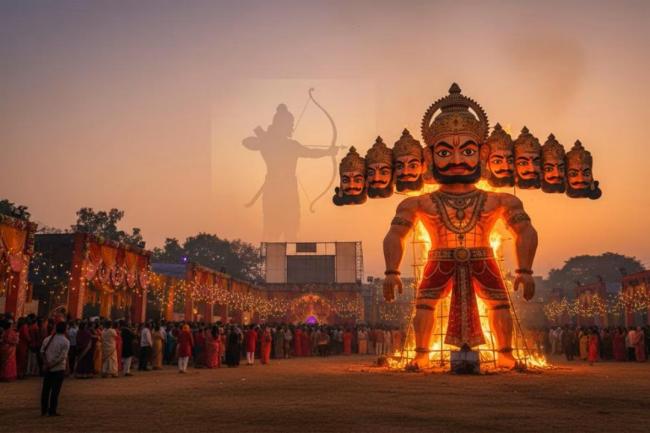
Shardiya Navratri 2026 is set to begin on Sunday, October 11, and conclude on Monday, October 19. The festival celebrates Goddess Durga and her nine forms, known as Navdurga. Vijayadashami, also called Dussehra, will be observed on October 20.
During the nine-day festival, devotees worship Goddess Durga, perform special pujas, observe fasts and visit temples. Garba and Dandiya celebrations are also held in several parts of India, especially Gujarat. Each day of Navratri is associated with a different form of the Goddess and a specific colour.
Navratri 2026 Start and End Dates
Navratri begins with Ghatasthapana, a ritual that marks the start of the festival and the invocation of Goddess Durga. Devotees worship the Goddess throughout the nine days, with special prayers on Ashtami and Navami.
- Navratri begins: October 11, 2026, Sunday
- Durga Ashtami: October 19, 2026, Monday
- Maha Navami: October 19, 2026, Monday
- Vijayadashami (Dussehra): October 20, 2026, Tuesday
Navratri 2026: Nine Days and Colours
Each day of Navratri is associated with a particular colour. Many devotees wear the designated colour as part of the festival celebrations.
- Day 1 – October 11: Orange
- Day 2 – October 12: White
- Day 3 – October 13: Red
- Day 4 – October 14: Royal Blue
- Day 5 – October 15: Yellow
- Day 6 – October 16: Green
- Day 7 – October 17: Grey
- Day 8 – October 18: Purple
- Day 9 – October 19: Peacock Green
The colour sequence can vary according to regional traditions and the calendar followed by devotees.
Nine Forms of Goddess Durga Worshipped During Navratri
The nine days are dedicated to the following forms of Goddess Durga:
- Maa Shailputri: Worshipped on the first day, she represents strength and devotion.
- Maa Brahmacharini: The second-day Goddess symbolises penance and dedication.
- Maa Chandraghanta: Worshipped on the third day, she represents courage and protection.
- Maa Kushmanda: The fourth-day Goddess is associated with creation and energy.
- Maa Skandamata: Worshipped on the fifth day, she symbolises motherhood and compassion.
- Maa Katyayani: The sixth-day Goddess represents courage and the power to overcome evil.
- Maa Kalaratri: Worshipped on the seventh day, she is associated with protection from negativity.
- Maa Mahagauri: The eighth-day Goddess represents purity, peace and serenity.
- Maa Siddhidatri: Worshipped on the ninth day, she is associated with wisdom and spiritual fulfilment.
Why Is Navratri Celebrated?
Navratri means “nine nights” and is celebrated in honour of the divine feminine power. According to Hindu tradition, the festival commemorates Goddess Durga's victory over the demon Mahishasura, symbolising the triumph of good over evil.
Devotees observe the festival through prayers, fasting, devotional songs and special offerings. In many regions, the celebrations also include cultural performances, community gatherings and traditional dances.
The final day, Vijayadashami, represents the victory of good over evil. It is celebrated as Dussehra in many parts of India and marks the conclusion of the festive period.


