
July 17 Bank Holiday or not in India?
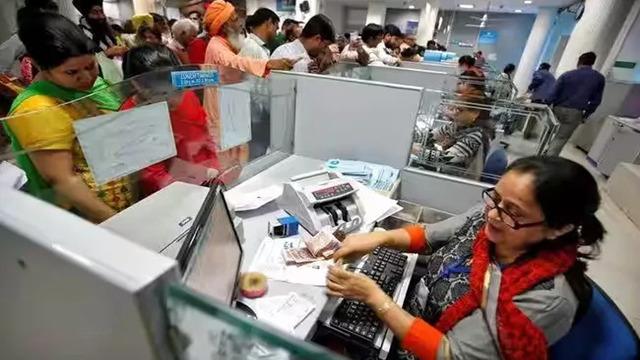
Many customers are searching to find out whether banks will remain closed on Friday, July 17, before planning branch visits or financial transactions. If you are wondering whether tomorrow is a bank holiday, here is the latest update.
Are Banks Closed on July 17?
No. Banks across most parts of India are expected to remain open on Friday, July 17, as it is a regular working day.
There are no nationwide festivals, public holidays, or special occasions scheduled on July 17 that would require banks to remain closed. Customers can expect normal banking operations, including cash deposits, withdrawals, cheque clearances, and other over-the-counter services.
Will Banking Services Function Normally?
Yes. Since July 17 is a regular business day, all banking services are expected to operate as usual. Customers can visit their bank branches during normal working hours for routine transactions.
Digital banking services such as:
- Internet banking
- Mobile banking
- UPI payments
- ATM withdrawals
- NEFT, RTGS and IMPS transfers
will also continue to be available as usual.
Is Any State Observing a Bank Holiday?
As of now, no state is scheduled to observe a bank holiday on July 17. There are no state-specific festivals, regional celebrations, or government-notified public holidays expected to affect banking operations on this date.
However, customers are advised to check with their respective bank branches in case of any local administrative notifications or unexpected changes.
Should Customers Expect Any Bank Closure?
At present, there is no scheduled bank holiday on July 17, and banks are expected to function normally across the country. Unless a fresh notification is issued by the Reserve Bank of India (RBI) or the respective state governments, customers can carry out their banking activities without interruption.
Overall, Friday, July 17, is a normal working day, and banks are expected to remain open across India.
Also read: Who Is Sonam Wangchuk? Everything You Need to Know


