
Om Shanti Shanti Shantihi Review: Tharun Bhascker, Eesha Rebba Shine in a Sincere Take on Marriage, Power and Patriarchy
Om Shanti Shanti Shantihi: Strong Performances and Social Relevance Make It Engaging
Tharun Bhascker’s Godavari Act Adds Depth to This Social Drama
Eesha Rebba Impresses in an Emotion-Driven Social Satire
Om Shanti Shanti Shantihi arrives in theatres as a Telugu adaptation of a well-known Malayalam hit, but it confidently finds its own emotional rhythm, powered by sincere performances and an engaging core theme. Headlined by Tharun Bhascker and Eesha Rebba, the film blends dark humour with social commentary, making for a largely engaging watch.
What Om Shanti Shanti Shantihi Is About
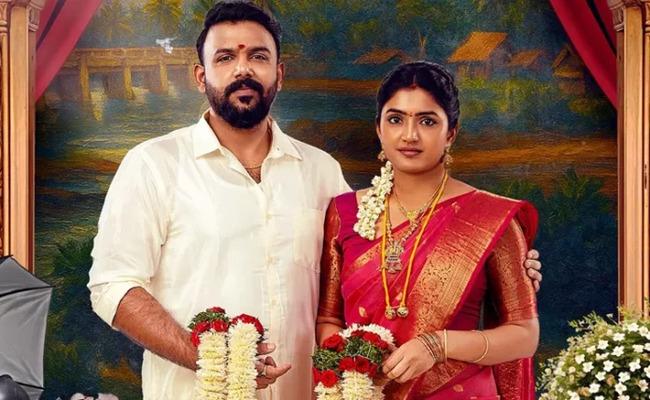
Set against the culturally rich backdrop of Andhra Pradesh, the story follows Kondaveeti Prashanti, a woman raised in a system where her choices are often decided by others. Her arranged marriage to Ambati Omkar Naidu, a prosperous yet dominating fishery businessman, initially appears stable. But as the layers peel away, Prashanti begins to confront uncomfortable truths about her married life. The narrative then tracks her emotional journey, resilience, and quiet rebellion.
What Works Well
The biggest strength of Om Shanti Shanti Shantihi lies in its performances. Tharun Bhascker surprises yet again by stepping confidently into a full-fledged lead role. His body language, dialogue delivery, and authentic Godavari accent lend credibility to the character, making him both believable and occasionally unsettling.
Eesha Rebba delivers a mature, controlled performance that anchors the film emotionally. She underplays the role effectively, allowing silence and expressions to speak louder than words. Her confrontational scenes—especially around the interval, post-interval stretch, and climax—leave a strong impact and elevate the narrative.
The chemistry between the lead pair feels organic, making the domestic tension believable. Brahmaji, though seen briefly, adds lightness with his natural comic timing. The supporting cast complements the setup without distracting from the central conflict.
Visually, the film is pleasing. The cinematography captures the rural and semi-urban spaces with warmth and realism, enhancing the lived-in feel of the story. The background score and songs subtly support the narrative without overpowering it.
Technical Merits
For a debutant director, AR Sajeev shows commendable control over tone and pacing in key portions. His decision to stay grounded helps maintain emotional authenticity. The film also deserves credit for addressing themes like patriarchy, toxic masculinity, and domestic power dynamics in an accessible manner. Production values are neat, and the overall technical finesse keeps the film watchable.
Final Take
Om Shanti Shanti Shantihi may draw from a familiar template, but it succeeds in delivering solid performances, effective moments of dark humour, and a relevant social message. Tharun Bhascker and Eesha Rebba carry the film with conviction, making it an engaging experience—especially for audiences encountering this story for the first time.
If you enjoy character-driven dramas with subtle satire and emotional depth, this one is worth checking out.
Rating: 3/5


