
Excise Duty on Petrol and Diesel Cut by Rs 10 Per Litre
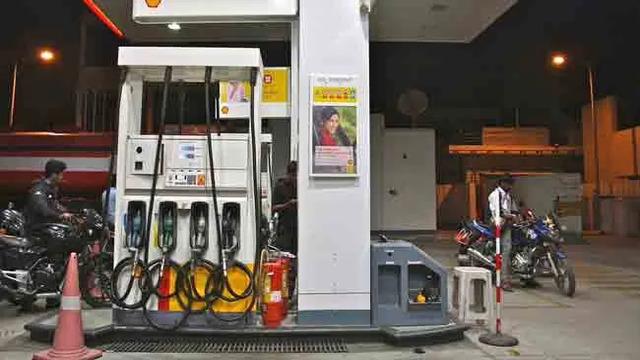
The Centre on Friday announced a major reduction in excise duty on petrol and diesel, lowering the tax burden by Rs 10 per litre on both fuels. With this revision, the duty on petrol now stands at Rs 3 per litre, while diesel has effectively been brought down to zero.
This decision comes at a time when global energy markets are facing significant instability. The ongoing tensions involving the United States, Israel, and Iran, along with Iran’s move to block the Strait of Hormuz, have disrupted a crucial oil transit route. This passage is responsible for transporting nearly 20 to 25 million barrels of crude oil and gas per day, accounting for a substantial portion of global supply. India previously depended on this route for around 12 to 15 percent of its crude imports.
By reducing excise duties, the government aims to ease the financial pressure on oil marketing companies and help stabilise domestic fuel prices, which have been impacted by fluctuating international crude rates.
At the same time, the government has taken a contrasting step by imposing a special additional excise duty of Rs 50 per litre on aviation turbine fuel. However, after factoring in certain exemptions and adjustments, the effective tax is expected to be around Rs 29.5 per litre. This indicates a shift towards placing a relatively higher tax burden on aviation fuel compared to petrol and diesel.
In another significant move, the government has revised its policy on fuel exports. Earlier, exporters of petrol, diesel, and aviation fuel benefited from broader tax exemptions. Under the new rules, these benefits have been restricted to specific categories, suggesting a more controlled approach to fuel exports.
Despite these tighter norms, some exemptions will continue. Public sector oil companies supplying fuel to neighbouring countries such as Nepal, Bhutan, Bangladesh, and Sri Lanka will still receive preferential treatment. Additionally, shipments that had already been approved before the policy change will not be impacted, ensuring that existing agreements are honoured.
These changes come against the backdrop of uncertainty in global oil markets. By lowering taxes on commonly used fuels while tightening export benefits and increasing duties on aviation fuel, the government appears focused on ensuring sufficient domestic supply and keeping prices under control.
The revised structure reflects a clear policy direction, with minimal tax on petrol, no duty on diesel, and comparatively higher taxation on aviation fuel. This adjustment is expected to have a wide-ranging impact on consumers, oil companies, and the overall energy sector in India.
Also read: Samantha Ruth Prabhu on Women Challenges in Film Industry


