
Bengaluru Real Estate Set for Massive Growth
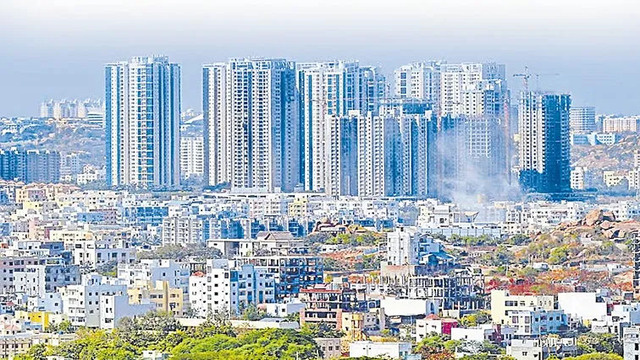
A recent study by Colliers has underlined the strong growth trajectory of Bengaluru, driven by its thriving technology sector and rapid infrastructure expansion. The report suggests that the city’s economic momentum, which began with the IT boom in the 1990s, is expected to gain further pace in the coming years.
Bengaluru continues to stand out as a global leader in tech talent, hosting nearly double the number of professionals compared to the next major city worldwide. The presence of multinational corporations, a vibrant startup ecosystem, and a well-established industrial base has positioned the city as one of India’s fastest-growing real estate hubs.
A key factor behind this growth is the ongoing infrastructure development across the city. Projects involving roads, expressways, metro connectivity, and airport expansion are playing a crucial role in reducing congestion and opening up new areas for real estate investment.
The expanding metro network is emerging as a major catalyst for future demand. Existing corridors such as the Purple and Green Lines have already driven growth in office spaces, residential developments, and warehousing hubs. Meanwhile, newer additions like the Yellow Line and the upcoming Pink Line are expected to further reshape the city’s property landscape.
The Yellow Line has significantly improved connectivity to major IT hubs such as Electronic City, while the Pink Line is expected to ease traffic congestion in central and southern parts of Bengaluru. These developments are likely to enhance access to both commercial and residential areas, boosting demand.
According to the report, office space demand in key business districts like the Central Business District (CBD), Secondary Business District (SBD 2), and Electronic City could reach up to 7 million square feet over the next two years. Rental values in these areas are also projected to rise by 5–10 percent.
The residential segment is already witnessing strong growth, with property prices in prime locations expected to increase by as much as 40 percent. Improved connectivity and increased developer activity are major factors contributing to this surge.
In the industrial and warehousing sector, demand is expected to range between 1 and 2 million square feet in areas such as Bommasandra, Jigani, and Harohalli. Better logistics infrastructure and improved workforce mobility are driving this expansion.
Looking ahead, the proposed Blue Line, which will connect the Outer Ring Road to Kempegowda International Airport, is expected to unlock significant real estate opportunities in North Bengaluru. This development is set to strengthen further the city’s position as a high-growth, infrastructure-driven market.
Also read: Michael Biopic Gets Mixed Early Reviews Ahead of Release


