
Krishna Janmashtami 2026: Shubh Muhurat and Puja Timings
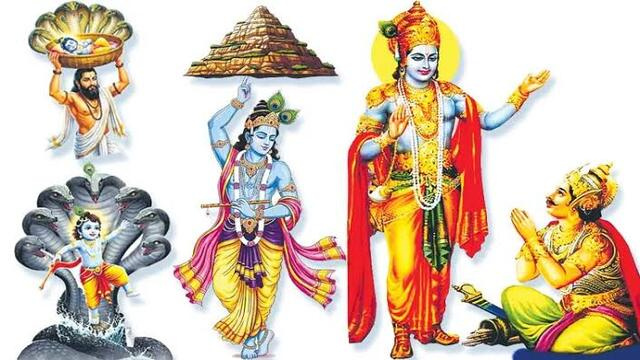
Krishna Janmashtami is one of the most important Hindu festivals, celebrated every year to mark the birth of Lord Krishna. Devotees observe the festival with prayers, fasting, devotional songs and special pujas. The festival is associated with the victory of righteousness over evil and commemorates the divine arrival of Lord Vishnu's eighth incarnation.
According to Hindu beliefs, Lord Krishna was born in Mathura on the Ashtami Tithi, the eighth day of the Krishna Paksha, during the month of Bhadrapada. His teachings, particularly those recorded in the Bhagavad Gita, continue to hold deep spiritual significance and are followed by devotees seeking guidance on duty, devotion and righteous living.
Krishna Janmashtami 2026 Date
Krishna Janmashtami will be observed on Friday, September 4, 2026.
According to Drik Panchang, this year marks the 5,253rd birth anniversary of Lord Krishna. Devotees will observe the festival by keeping fasts and performing special prayers at temples and homes. The midnight period is considered especially significant because Lord Krishna is traditionally believed to have been born at midnight.
Krishna Janmashtami 2026 Nishita Puja Muhurat
The Nishita period is considered the most important time for performing Janmashtami worship.
- Janmashtami: Friday, September 4, 2026
- Nishita Puja Time: 11:57 PM to 12:43 AM
- Puja duration: Approximately 45 minutes
- Puja ends: Early morning on September 5
Devotees can perform the birth celebration of Lord Krishna during this auspicious midnight window. Many temples organise elaborate ceremonies, including the symbolic bathing and decoration of Krishna idols, followed by devotional celebrations.
Why Is Janmashtami Celebrated?
Krishna Janmashtami celebrates the birth of Lord Krishna, who is regarded as the eighth avatar of Lord Vishnu. Hindu scriptures describe his appearance on Earth as a divine intervention to restore dharma and defeat evil forces.
Lord Krishna is particularly remembered for his role in the Mahabharata and for delivering the Bhagavad Gita to Arjuna on the battlefield of Kurukshetra. His teachings emphasise performing one's duties, remaining devoted to God and following the path of righteousness.
Krishna Janmashtami 2026 Parana Time
The conclusion of the Janmashtami fast is known as Parana. The timing can vary depending on the tradition followed by devotees.
According to the Dharma Shastra-based calculation mentioned by Drik Panchang, the Parana time will be after 6:01 AM on September 5, once the relevant Ashtami Tithi and Rohini Nakshatra conditions have ended before sunrise.
However, another practice followed in many communities is to break the fast after the Nishita period. Under this tradition, devotees may perform Parana after 12:43 AM on September 5.
Therefore, devotees may follow the customs and timings traditionally observed in their family, region or particular religious tradition.
Krishna Janmashtami and Smarta-Vaishnava Traditions
Janmashtami can sometimes be observed on different dates by followers of the Smarta and Vaishnava traditions. This happens because the two traditions may use different criteria when determining the most appropriate time to celebrate Krishna's birth.
In 2026, however, Janmashtami falls on a single date for both traditions, meaning devotees following these traditions will observe the festival on September 4.
The Birth Story of Lord Krishna
The story of Lord Krishna's birth is one of the most celebrated episodes in Hindu tradition.
Krishna was born to Devaki and Vasudeva in Mathura. Devaki's brother, King Kansa, had learned through a prophecy that Devaki's eighth child would eventually become responsible for his downfall. Fearing the prophecy, Kansa imprisoned Devaki and Vasudeva.
Kansa killed their first six children. When Devaki's eighth child was born, however, divine events are believed to have helped save the newborn Krishna.
According to the traditional story, the guards fell asleep, the chains holding Vasudeva were released and the prison doors opened. Vasudeva then carried the infant Krishna out of Mathura to protect him from Kansa.
He travelled through the night and crossed the Yamuna River before reaching Gokul. There, Krishna was entrusted to Nanda and Yashoda, who raised him as their own son.
Krishna later became known for his childhood stories in Gokul and Vrindavan, his devotion to Radha and the Gopis, his defeat of evil forces and his role in the events of the Mahabharata.
How Is Krishna Janmashtami Celebrated?
Janmashtami celebrations vary across different parts of India, but midnight worship remains one of the most important traditions. Devotees often observe a fast during the day and gather at temples for prayers and bhajans.
Krishna idols are decorated with colourful clothes, jewellery and flowers. At midnight, devotees celebrate Krishna's birth with prayers, devotional songs and the ringing of temple bells.
In several regions, especially Maharashtra, Janmashtami celebrations also feature Dahi Handi, in which groups form human pyramids to break a pot filled with curd or other offerings. The tradition is associated with Krishna's playful childhood stories of stealing butter and curd.


