
Diwali 2026: Date, Shubh Muhurat and Significance
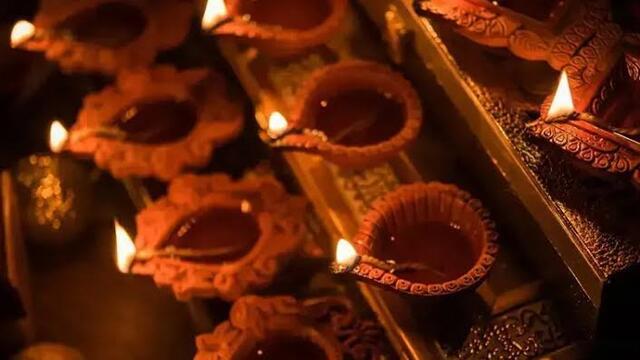
Diwali, also known as the Festival of Lights, is one of the most important festivals celebrated in India. People celebrate this special occasion by decorating their homes with diyas, candles and colourful lights. Families perform prayers, exchange gifts, prepare sweets and seek blessings for happiness and prosperity.
However, many people are confused about the exact date of Diwali in 2026. Some are wondering whether the festival will be celebrated on November 8 or November 9. According to the Hindu calendar, Diwali 2026 will be celebrated on Sunday, November 8.
The festival falls on Amavasya, also known as the new moon day, in the Hindu month of Kartik. In 2026, Amavasya Tithi begins at 11:28 AM on November 8 and ends at 12:32 PM on November 9.
Although Amavasya continues until the following afternoon, Diwali will be observed on November 8 because the new moon day falls during the evening Pradosh Kaal. This period is considered especially important for Lakshmi Puja.
Diwali 2026: Lakshmi Puja Muhurat and Auspicious Timings
Worshipping Goddess Lakshmi and Lord Ganesha is an important part of Diwali celebrations. Devotees perform special prayers to seek wealth, happiness, peace and success for their families.
According to the Hindu Panchang, the main Lakshmi Puja timings for Diwali 2026 are:
- Diwali Date: Sunday, November 8, 2026
- Lakshmi Puja Muhurat: 5:54 PM to 7:50 PM
- Pradosh Kaal: 5:31 PM to 8:17 PM
- Nishita Kaal: 11:44 PM to 12:36 AM
The Lakshmi Puja muhurat lasts for approximately one hour and 56 minutes. Devotees are advised to perform their prayers during the auspicious period.
However, puja timings may differ depending on the city because sunset times vary from one location to another. For example, the Lakshmi Puja muhurat in Kolkata is from 5:20 PM to 7:18 PM, while in Chennai it is from 6:07 PM to 8:09 PM. People should check their local Panchang for accurate timings.
Why Is Diwali Celebrated on Amavasya?
Diwali is celebrated to mark the victory of good over evil and light over darkness. According to the popular Ramayana story, Lord Rama returned to Ayodhya after defeating Ravana and completing 14 years of exile.
The people of Ayodhya welcomed Lord Rama, Goddess Sita and Lakshmana by lighting thousands of oil lamps across the city. This tradition is believed to be the reason behind lighting diyas during Diwali.
The festival also has special religious importance for devotees of Goddess Lakshmi. People believe that worshipping her on this day brings wealth, good fortune and prosperity. Lord Ganesha is also worshipped to remove obstacles and bring success in new beginnings.
Diwali 2026: Complete Festival Calendar
Diwali celebrations continue for several days, with each day having its own religious importance and traditions. Here is the complete festival schedule for 2026:
- Dhanteras: Friday, November 6, 2026
- Choti Diwali (Naraka Chaturdashi): Saturday, November 7, 2026
- Diwali (Lakshmi Puja): Sunday, November 8, 2026
- Govardhan Puja: Monday, November 9, 2026
- Bhai Dooj: Wednesday, November 11, 2026
Dhanteras is considered an auspicious day to purchase gold, silver and new household items. Choti Diwali is associated with the victory of Lord Krishna over the demon Narakasura.
Diwali is the main festival day when families perform Lakshmi Puja and light diyas. Govardhan Puja is celebrated to honour Lord Krishna, while Bhai Dooj celebrates the special bond between brothers and sisters.
Diwali 2026: Why Is November 8 the Correct Date?
The main reason behind the confusion between November 8 and 9 is the timing of Amavasya Tithi. According to Hindu traditions, Lakshmi Puja is performed during Pradosh Kaal, which begins after sunset.
In 2026, Amavasya will be present during the evening Pradosh period on November 8. However, the Tithi ends around 12:32 PM on November 9, before the evening worship period begins.
Therefore, November 8 has been selected as the correct date for Diwali and Lakshmi Puja in 2026.
Diwali is more than a festival of lights. It reminds people to follow the path of goodness, spread happiness and stay positive during difficult times. The celebrations bring families together and fill homes with joy, devotion and hope.
Also read: Hyderabad Water Crisis: Groundwater Levels Fall Sharply


