
Social Media: Connecting the World, But Disconnecting Lives?
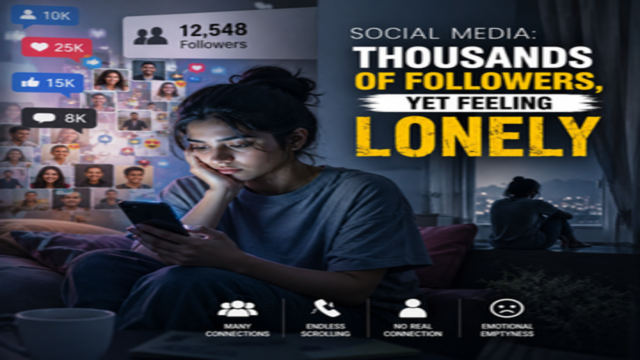
From loneliness and anxiety to relationship conflicts and low self-esteem, experts warn that excessive social media use is reshaping how we think, feel, and connect.
Social media has become an inseparable part of modern life. Whether it's news, entertainment, education, or staying connected with loved ones, millions of people spend hours every day scrolling through platforms like Instagram, Facebook, Snapchat, and X.
While these platforms offer countless benefits, mental health experts caution that excessive and unhealthy use may come at a significant emotional cost.
In an exclusive interaction with Sakshi Post, psychiatrist Dr. Vivaswan explained how social media influences mental health, relationships, self-esteem, and overall well-being.
Thousands of Followers, Yet Feeling Lonely
One of the biggest paradoxes of social media is that people may have hundreds or even thousands of followers but still experience intense loneliness.
According to Dr. Vivaswan, people often confuse connections with communication.
"Social media gives us connections, but emotional communication still requires real human relationships."
People usually share achievements, vacations, celebrations, and success stories online. However, when they face emotional struggles, they often have nobody to truly confide in.
"When people need emotional support, likes and followers cannot replace genuine human relationships," he explained.
When Does Social Media Become an Addiction?
Using a smartphone is not necessarily a problem.
The concern begins when the smartphone starts controlling daily life.
Dr. Vivaswan says some warning signs include:
- Checking the phone immediately after waking up.
- Feeling anxious when unable to check notifications.
- Constantly refreshing social media feeds.
- Ignoring work, studies, or family responsibilities.
- Feeling restless without the phone.
"If your phone controls your behaviour rather than you controlling it, it may already be an addiction."
Why Likes Should Never Define Self-Worth
Many young people today measure their value through likes, comments, and followers.
The psychiatrist warns that this is psychologically unhealthy.
"When self-worth depends on social media validation, people gradually lose confidence in themselves."
Instead of comparing ourselves with strangers online, he advises comparing today's progress with yesterday's version of ourselves.
The Dangerous Culture of Comparison
Scrolling through social media often creates the illusion that everyone else is happier, richer, more successful, and living a better life.
But social media usually showcases only carefully selected highlights.
"We compare someone else's best moments with our everyday reality—and that's unfair to ourselves," says Dr. Vivaswan.
This comparison culture can reduce happiness, increase stress, and create unnecessary dissatisfaction.
Beauty Filters and Unrealistic Standards
Filters and edited photos are changing how people perceive themselves.
Many young women—and increasingly young men—begin believing they look attractive only with filters.
Over time, this may reduce body confidence and self-esteem.
Some individuals become reluctant to attend social gatherings or even appear on camera without filters.
Parents Must Watch for Body Image Issues
Parents should pay attention if children:
- Constantly compare themselves with influencers.
- Develop unhealthy dieting habits.
- Exercise excessively.
- Avoid social events because of appearance.
- Frequently express dissatisfaction with their bodies.
Dr. Vivaswan advises parents not to dismiss or criticize these concerns.
"Listen before judging. A few minutes of genuine conversation can prevent serious emotional problems."
Does Social Media Cause Anxiety and Depression?
According to the psychiatrist, social media itself is not always the direct cause.
However, it can worsen existing emotional vulnerabilities.
People often compare their real lives with the carefully curated online lives of others.
The rise of AI-generated content, edited images, and fake lifestyles makes these comparisons even more unrealistic.
Cyberbullying Has Become a Serious Mental Health Threat
Unlike traditional bullying, cyberbullying follows victims everywhere.
Abusive comments, fake accounts, threats, and online harassment can continue around the clock.
"Some young people have even lost their lives because of relentless cyberbullying."
The expert urges parents and schools to take online harassment seriously.
Why Morning Phone Habits Matter
Many people reach for their phones immediately after waking up.
Dr. Vivaswan recommends avoiding social media for at least 30 to 45 minutes after waking up.
Instead, begin the day with:
- Light exercise
- Meditation
- Prayer
- Reading
A peaceful morning routine
This allows the brain to prepare for the day before receiving a flood of notifications and information.
Short Videos Are Shrinking Our Attention Span
The popularity of Reels, Shorts, and TikTok-style videos has changed how people consume information.
Earlier, people comfortably watched long-form content.
Now many struggle to focus even for a few seconds.
"This gradual shift is reducing our attention span and making it harder to read books, newspapers, or long articles."
Oversharing Can Be Risky
Many users openly share:
- Vacations
- Expensive purchases
- Income
- Family details
- Relationship updates
While some influencers do this professionally, ordinary users should be cautious.
Publicly sharing personal information may expose individuals to cybercriminals, identity theft, scams, and privacy risks.
FOMO: The Fear of Missing Out
Many people feel anxious when they aren't constantly updated about trends, influencers, or viral content.
This phenomenon—known as Fear of Missing Out (FOMO)—keeps users continuously checking their phones.
Initially it creates excitement, but over time it increases stress, mental fatigue, and emotional dependence.
Social Media and Relationships
Another growing concern is "phubbing"—ignoring one's partner while focusing on a smartphone.
Even couples sitting together often spend more time looking at screens than talking to each other.
Healthy relationships require:
- Quality conversations
- Emotional sharing
- Undivided attention
- Trust
Experts recommend keeping phones away for at least two hours before bedtime and spending uninterrupted time together.
Past Relationships and Digital Trust Issues
Maintaining secret communication with former partners through social media can seriously damage trust in a relationship.
Dr. Vivaswan advises complete transparency.
"If an ex contacts you, discuss it openly with your partner instead of hiding it."
Open communication prevents unnecessary suspicion and conflict.
When Suspicion Becomes a Mental Health Disorder
Not all jealousy is normal.
Persistent and irrational suspicion may sometimes indicate deeper psychological conditions such as:
- Delusional disorder
- Childhood trauma
- Low self-esteem
- Alcohol or substance abuse
- Certain neurological conditions
Professional evaluation can identify the underlying cause and provide effective treatment.
Why Many Gen Z Individuals Are Delaying Marriage
According to Dr. Vivaswan, many young adults are not necessarily rejecting marriage itself.
Instead, they are hesitant about the responsibilities that come with it.
Marriage requires emotional commitment, compromise, and shared responsibilities.
Many young people today prioritize independence and personal freedom before making long-term commitments.
How to Build a Healthy Relationship with Social Media
Dr. Vivaswan recommends following a few simple habits:
- Set daily screen-time limits.
- Regularly evaluate whether social media benefits or harms you.
- Never neglect work, studies, or family responsibilities.
- Ensure social media does not affect sleep or eating habits.
- Spend quality offline time with family and friends.
- Build self-worth from personal growth rather than online validation.
The Bottom Line
Social media is a powerful tool—not an enemy.
When used mindfully, it helps people learn, connect, and grow.
But when it becomes the centre of one's identity and emotional well-being, it can contribute to loneliness, anxiety, relationship conflicts, low self-esteem, and poor mental health.
As Dr. Vivaswan reminds us, the healthiest life is one where technology serves us—not one where we become servants of technology.


