
Misdiagnosed and Overlooked: Heart Disease Symptoms Women Must Not Ignore
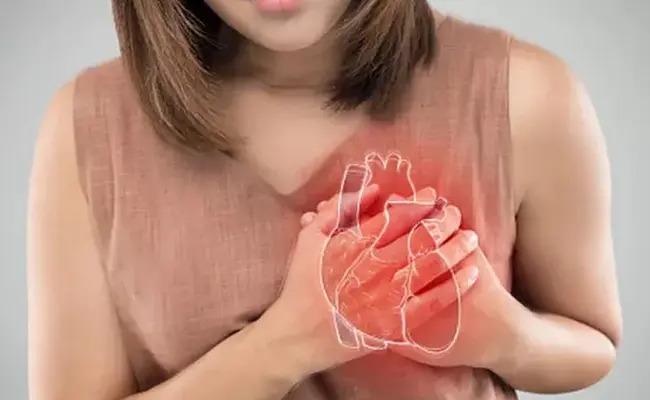
While it's widely believed that men are more prone to heart attacks, women often suffer in silence — primarily due to misdiagnosis and lack of awareness about how cardiovascular problems manifest differently in them.
According to multiple reports, heart disease is the leading cause of death among Indian women, accounting for approximately 18% to 40% of all female deaths. This surpasses the mortality rate from breast cancer and all other cancers combined.
Despite widespread awareness of classic heart attack symptoms in men, women often experience different, subtler signs that are frequently dismissed as fatigue, flu, indigestion, or anxiety.
Several studies highlight this disparity:
- Approximately 30% to 50% of women with heart disease are either misdiagnosed or experience a delayed diagnosis.
- A 2019 study published in the Journal of the American College of Cardiology found that women presenting with chest pain were 50% more likely than men to be misdiagnosed with non-cardiac chest pain.
- Another analysis showed that 35% to 45% of women who suffered a heart attack were misdiagnosed or discharged without appropriate treatment during their initial medical visit.
This widespread misdiagnosis stems from the fact that women’s symptoms often differ from the classic signs typically seen in men.
Heart Attack Symptoms: Men vs. Women
- Chest Pain: Men usually report intense, pressure-like chest pain, while women may experience milder discomfort or tightness.
- Arm Pain: Men typically feel pain in the left arm, whereas women might feel it in both arms or the back.
Other Symptoms in Women:
- Shortness of breath
- Nausea or vomiting
- Cold sweats
- Lightheadedness or dizziness
- Pain in the jaw, neck, back, or stomach
- Extreme fatigue
- Heartburn or indigestion-like discomfort
- Anxiety or a sense of doom
These symptoms are often mistaken for common illnesses such as the flu, gastrointestinal issues, or dental problems — leading to missed opportunities for early intervention.
Why Do Women Experience Different Symptoms Than Men?
The variation in symptoms is rooted in several biological and physiological factors:
1. Anatomical and Physiological Differences
Smaller heart and arteries: Women have smaller hearts and narrower coronary arteries, which influence how blockages develop and present.
Microvascular disease: Women are more prone to issues in the heart’s smaller blood vessels, which may not produce the “classic” signs seen in men.
2. Hormonal Influences
Estrogen’s protective role: Before menopause, estrogen helps maintain healthy blood vessels. Post-menopause, reduced estrogen levels increase cardiovascular risk and alter symptom patterns.
Hormonal differences can also impact pain sensitivity and stress response.
3. Symptom Perception and Pain Reporting
Women are more likely to report atypical symptoms such as nausea, fatigue, or back pain.
Research suggests women may have different pain thresholds and processing mechanisms, affecting how symptoms are experienced and communicated.
4. Differences in Disease Manifestation
Men often suffer from major artery blockages causing crushing chest pain.
Women more frequently experience diffuse narrowing or spasms in smaller arteries, leading to subtler symptoms.
5. Delayed Diagnosis and Low Awareness
Because women's symptoms can resemble less serious illnesses, they are often overlooked or misattributed, both by patients and healthcare providers.
This delay can have serious consequences, as timely diagnosis and treatment are critical to survival.


