
H-1B Visa Holders May Lose 60-Day Grace Period in US
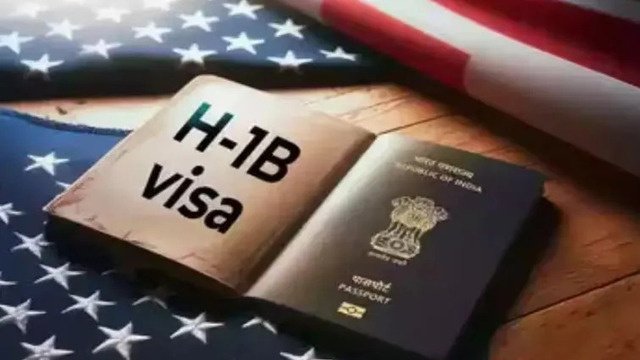
H-1B visa holders in the United States could face a major change if a new immigration proposal from the Department of Homeland Security (DHS) is eventually approved. The proposed measure would eliminate the 60-day grace period currently available to certain foreign workers after their employment ends.
The proposal has cleared review by the White House's Office of Information and Regulatory Affairs, bringing it closer to the stage where it could be published for public consideration. However, the change is not yet in effect, and the exact rules will become clearer once the proposal is published in the Federal Register.
What Is the Current H-1B 60-Day Grace Period?
Under the rules introduced in 2017, eligible H-1B workers can generally remain in the US for up to 60 days after their employment ends, or until the end of their authorised stay, whichever comes first.
This period gives workers an opportunity to search for another employer willing to sponsor them, seek a change of immigration status or make arrangements to leave the country.
The provision has become particularly important for foreign professionals who unexpectedly lose their jobs during company layoffs.
What Could Change Under the New Proposal?
If DHS finalises the proposed rule, H-1B workers could lose the existing 60-day buffer following the termination of their employment.
That could leave affected workers with significantly less time to find another employment opportunity or make alternative immigration arrangements.
The proposal is reportedly not limited to H-1B workers. Other nonimmigrant employment categories covered by the existing grace-period regulation could also be affected. These include certain E-1, E-2, E-3, H-1B1, L-1, O-1 and TN workers, along with eligible dependants.
Why Is the Proposal Significant for H-1B Workers?
Losing a job can already create considerable uncertainty for foreign workers because their immigration status is tied to employment.
The 60-day period currently provides valuable time to contact potential employers, complete interviews, arrange a new sponsorship and consider other immigration options.
Removing that period could make layoffs considerably more difficult for H-1B professionals, particularly those who need additional time to secure a new employer willing to file the required paperwork.
It could also create additional pressure for workers and their families to make housing, schooling and relocation arrangements if they cannot quickly secure another immigration pathway.
Has the 60-Day Grace Period Been Removed Already?
No.
The proposed change has not yet become a final rule. The DHS proposal has cleared a key White House regulatory review, but the details still need to go through the federal rulemaking process.
Once the proposal is formally published, the public will have an opportunity to submit comments before the government considers whether to issue a final rule.
Therefore, H-1B workers should not assume that the 60-day grace period has already been cancelled.
What Happens If the Proposal Becomes Final?
If the rule is ultimately adopted as proposed, workers who lose their jobs could face much tighter timelines for maintaining lawful status in the US.
Depending on the final provisions, affected individuals may need to quickly secure a new sponsoring employer, pursue another eligible immigration status or prepare to leave the country.
The exact consequences will depend on the final rule published by DHS.
H-1B Program Faces Several Proposed Changes
The potential removal of the grace period comes amid a broader series of changes being considered for the H-1B visa system.
The US government has also proposed other measures affecting H-1B workers and employers, including changes involving visa fees and greater scrutiny of certain employment arrangements. A separate DHS proposal published in August would establish a $103,265 fee for H-1B cap-subject petitions.
These developments could significantly affect US employers that rely on skilled foreign professionals as well as H-1B workers planning their careers in the country.
What H-1B Workers Should Know
For now, the most important point is that the 60-day grace period remains part of the existing framework, while the proposed elimination is still moving through the regulatory process.
H-1B employees who are concerned about potential job loss should monitor official DHS and USCIS announcements and seek qualified immigration advice for their individual circumstances.
The final impact will only become clear once DHS publishes the proposed rule and, eventually, announces whether it will be implemented.


