
Indian H-1B Worker Faces Deportation After Misreading 60-Day Grace Period
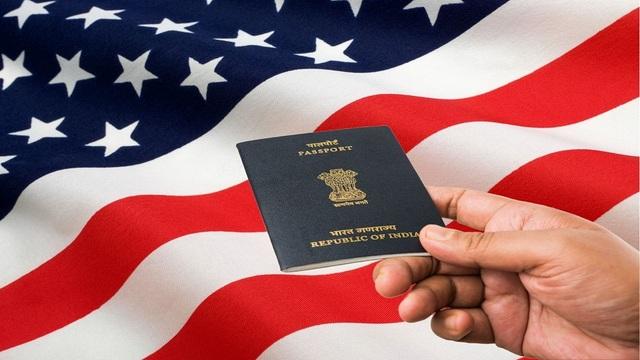
A sobering account shared on social media platforms has captured attention across America's technology sector, highlighting the unforgiving nature of U.S. immigration law for foreign workers.
The incident involves an Indian national working on an H-1B visa who found himself in removal proceedings after misinterpreting federal immigration requirements. Following a job termination, the individual incorrectly believed the government's 60-day grace period offered flexibility for finding new employment.
The Costly Mistake
After losing his position, the worker continued his job search beyond the mandated two-month window, thinking the deadline was merely advisory rather than absolute. This miscalculation triggered a cascade of legal problems when immigration authorities issued a Notice to Appear for deportation hearings.
The situation worsened when the individual attempted to exit the United States voluntarily. Immigration officials documented the overstay violation, creating a permanent mark on his record that could affect future visa applications and entry attempts.
Immigration Rules Leave No Room for Error
Federal regulations governing H-1B status are explicit: visa holders whose employment terminates must secure new sponsorship, change their immigration status, or leave the country within exactly 60 days. Exceeding this timeframe by even one day constitutes a violation with potential long-term consequences.
The case has generated significant discussion among immigrant communities and legal experts. Immigration attorneys frequently emphasize that these deadlines are non-negotiable, regardless of circumstances such as job market conditions or personal hardships.
Broader Implications for Tech Workers
This incident occurs against a backdrop of widespread layoffs in the technology industry, where thousands of H-1B workers have faced sudden unemployment. Unlike U.S. citizens and permanent residents, these foreign nationals must navigate strict timelines while searching for new positions.
The story underscores the precarious situation many skilled foreign workers face in America's current economic climate. With limited time to secure new employment and transfer their visa status, H-1B holders often find themselves under intense pressure during job transitions.
Legal Experts Weigh In
Immigration lawyers consistently advise their clients to treat all USCIS deadlines as absolute. The consequences of overstaying can include multi-year bars from re-entering the United States, making compliance essential for maintaining future immigration options.
For H-1B workers currently navigating job searches, legal professionals recommend maintaining detailed records of application dates and consulting qualified immigration attorneys when facing employment transitions. The margin for error in U.S. immigration law remains virtually nonexistent, making professional guidance invaluable during critical periods.


