
Gold, Silver Selloff Explained: $2 Trillion Wiped Out Amid Market Stress
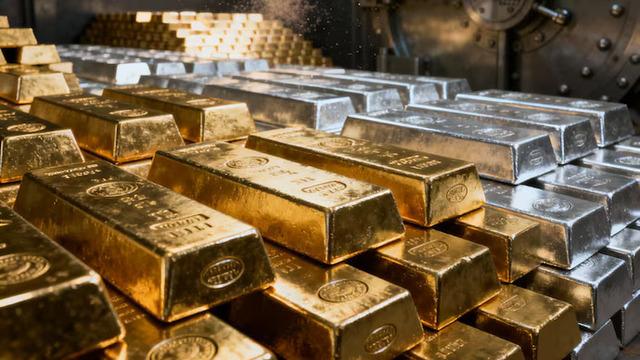
A sudden and sharp decline in precious metals prices has raised concerns about underlying stress in global financial markets, even as geopolitical tensions continue to escalate.
According to insights from The Kobeissi Letter, gold and silver witnessed a massive erosion in value within a short span of time, wiping out nearly $2 trillion in market capitalisation. What makes this move particularly striking is that it comes during a period of heightened geopolitical conflict—when such assets typically attract safe-haven demand.
Break from Traditional Market Trends
Historically, precious metals like Gold and Silver tend to perform well during times of uncertainty. However, the current scenario appears to be different.
Despite rising tensions in the Middle East and ongoing conflict involving Iran, metals prices have moved lower instead of higher. This divergence suggests a shift in how markets are reacting to geopolitical risks.
At the same time, oil markets remain volatile while equity futures have shown signs of stability. This unusual combination breaks the typical pattern where both oil prices and safe-haven assets rise together during periods of global uncertainty.
Rising Yields and Strong Dollar Add Pressure
One of the major factors behind the decline in metals is the surge in US bond yields. Higher yields increase the opportunity cost of holding assets like gold, which do not generate any income.
As yields climb, investors tend to move funds into interest-bearing instruments, reducing the appeal of precious metals. Additionally, a stronger US dollar further weighs on gold and silver prices, making them more expensive for global buyers.
Inflation Concerns and Oil Price Impact
Elevated crude oil prices continue to fuel inflation worries across the globe. Concerns surrounding potential disruptions in key energy supply routes, especially near the Strait of Hormuz, are keeping markets on edge.
These inflationary pressures are forcing investors to rethink expectations around interest rates, with the possibility of tighter monetary policy contributing to further stress in financial markets.
Volatility Driven by Market Conditions
Another factor contributing to the sharp price swings is what analysts describe as “headline fatigue.” As news of the ongoing conflict continues without clear resolution, markets are becoming less reactive to geopolitical developments.
In addition, limited liquidity in certain areas of the market is amplifying volatility. This combination is leading to sudden and extreme price movements across multiple asset classes.
Shift in Gold’s Market Role
Perhaps the most notable development is the changing behaviour of gold. Instead of acting as a protective asset during uncertain times, gold is increasingly moving in line with equities, behaving more like a risk asset.
This shift has forced many investors to reconsider long-held assumptions about diversification and risk management.
Forced Selling Adds to the Decline
The selloff may also be linked to forced liquidation by large institutional investors. During periods of financial stress, market participants often sell highly liquid assets like gold to meet margin requirements or offset losses in other investments.
Such selling can accelerate price declines, even in assets traditionally viewed as safe.
A Changing Market Landscape
The broader takeaway is that global markets may be entering a phase where macroeconomic factors—such as interest rates, liquidity, and investor positioning—are having a greater influence than geopolitical developments.
In the near term, these forces could continue to dominate market movements, keeping volatility elevated and challenging traditional investment strategies.
Also read: Why Stock Market Is Down Today? Key Reasons Behind Sensex, Nifty Fall


