
Bengaluru Converts 200 Tonnes of Waste into Clean Power Daily at Bidadi WTE Plant
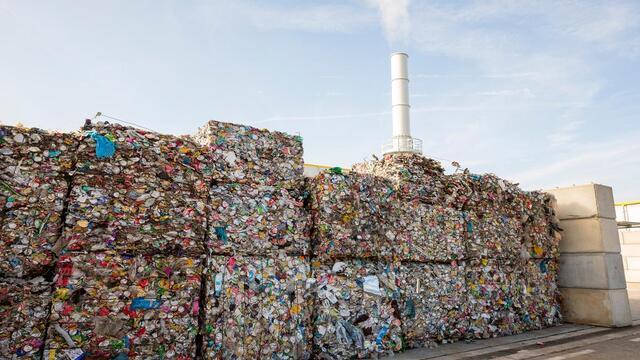
Bengaluru is taking a major leap towards sustainability by converting city waste into clean energy. The Bidadi Waste-to-Energy (WTE) plant in Ramanagara district is now transforming 200 tonnes of daily waste into electricity, marking a new milestone in urban waste management. According to a Times of India report, the facility generates around 11.5 megawatts of power every day, enough to light up nearly 25,000 households.
Bengaluru’s Waste-to-Energy Model
The Bidadi WTE plant, managed by Karnataka Power Corporation Ltd (KPCL), operates under a Design, Finance, Construct, Operate and Transfer (DFCO&T) model. With a total investment of ₹314.7 crore, the facility processes 600 tonnes of waste daily, including refuse-derived fuel (RDF) sourced from legacy waste and segregated dry waste collected from homes.
Kareegowda, CEO of Bengaluru Solid Waste Management Limited (BSWML), explained that the steady inflow of segregated waste has enabled the city to generate consistent amounts of clean electricity.
Cleaner Waste Management, Less Landfill Burden
As Bengaluru improves its waste segregation practices, the amount of mixed waste reaching landfills has seen a noticeable decline. The number of compactors transporting waste to dumping sites has dropped from 390 to 340 in the past month.
Currently, about 35% of the city’s waste is plastic. High-grade plastics are being recycled at dry waste collection centres, while low-grade plastics are sent to the Bidadi plant for energy recovery, ensuring minimal waste is left untreated.
A Sustainable Future for Bengaluru
Since its launch in June 2024, the Bidadi facility has processed 1.68 lakh metric tonnes of waste and generated 54.3 million units of electricity. Energy Minister KJ George hailed the plant as a benchmark for sustainable urban waste management, noting that even the ash residue from the process will be reused for road construction, promoting full resource recovery.
Officials believe that with effective source segregation, Bengaluru could establish three more waste-to-energy plants, potentially providing electricity to over 1 lakh households.
This initiative not only moves the city closer to a clean energy future, but also plays a crucial role in reducing landfill dependency and building a greener, more resilient Bengaluru.


