
Russia’s Surprise Entry into the Raging Pakistan-Afghanistan Conflict: A Shift in Asian Geopolitics
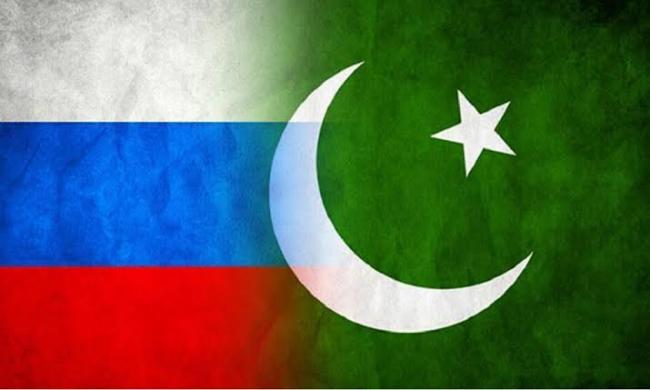
Are the clouds of war gathering once again over Asia? Recently, Afghanistan launched a series of fierce drone strikes targeting multiple locations inside Pakistani territory. This escalation comes just days after the Pakistani military conducted airstrikes along the Afghan border, prompting Afghanistan’s retaliatory drone response. With these hostile actions, the temporary ceasefire agreement brokered between the two nations back in March has completely fallen apart. Why has this bitter animosity erupted between Pakistan and Afghanistan—countries that were staunch allies for decades? Furthermore, why is Russia suddenly entering this regional geopolitical arena? What is the real secret behind Russia, already deeply pre-occupied with the Ukraine war, unexpectedly shaking hands with the Taliban?
The Flashback: Once Inseparable Allies
Before diving into current Pak-Afghan politics, let's look at the history. Pakistan and the Taliban, who are now locked in a deadly conflict, were once extremely close allies. During the 1980s, when the Soviet army invaded Afghanistan, Pakistan stood as the primary backbone for the Mujahideen and Taliban fighting against them. Pakistan acted as the main conduit for funds and weapons flowing from the United States. In fact, the Haqqani University, which trained the Taliban, is located on Pakistani soil. When the Taliban first captured Kabul in 1996 and established a government, Pakistan was one of only three nations to officially recognize their regime. Later, in 2001, when the US invaded Afghanistan and ousted the Taliban, Pakistan covertly continued its support for them despite immense American pressure. Pakistan knew that whenever the US eventually withdrew, the Taliban would return to power. They hoped that by maintaining good ties, the Taliban would help suppress anti-Pakistan militant groups, particularly the Tehreek-e-Taliban Pakistan (TTP).
The Defiant Taliban
In 2021, as the US military withdrew from Afghanistan, the Taliban recaptured Kabul. While Pakistan initially celebrated this as a victory, reality soon struck. Once in power, the Taliban refused to take orders from Islamabad. They took no definitive action to stop TTP militants and Balochistan liberation groups from operating from Afghan soil. Consequently, terror attacks inside Pakistan skyrocketed. According to reports from the Center for Research and Security Studies, Pakistan’s security forces suffered historic losses during 2024 and 2025, with over 1,200 Pakistani soldiers and police officers losing their lives to these insurgencies.
Losing patience, Pakistan began launching airstrikes against TTP strongholds inside Afghanistan, specifically targeting areas around Kabul and Kandahar, warning the Taliban: "If you don't stop the terrorists, we will strike you directly." Although Qatar intervened to broker a brief ceasefire, it was short-lived. Following a recent suicide attack inside Pakistan, the Pak army retaliated heavily with airstrikes, leading to a massive military standoff by the Taliban along the border. Now, with Afghan drones crossing the border to execute strikes, both nations find themselves trapped in an endless cycle of conflict.
Why is the Taliban Furious with Pakistan? Plus, the Russian Entry
There are two main reasons why the Taliban has failed to curb these militants. First, they lack proper administrative systems and adequate military capability. According to UN reports, more than 20 international terror outfits are currently active in Afghanistan, making it difficult for the Taliban to suppress them all. Second, there are severe internal ideological rifts within the Taliban leadership itself.
However, amidst this ongoing volatile environment, a striking new factor has emerged: Russia’s entry. Last year, Russia became the first major power to officially recognize the Taliban government. Following this, in May of this year, Russia signed a pivotal military cooperation agreement with Afghanistan. Under this deal, Russia will repair and modernize Afghanistan's aging Soviet-era weaponry and fighter jets. Following the agreement, the Taliban's Defense Minister made a sensational statement, declaring: "Henceforth, Pakistan will not dare to launch attacks against us." This clearly indicates that the Taliban, backed by Russian support, is now emboldened to push back against Pakistan.
What Does Russia Stand to Gain?
What benefits does Moscow reap by backing the Taliban? First and foremost is Russia’s own fear of terrorism. The 'Islamic State Khorasan' (ISIS-K) militants, who carried out the horrific Moscow concert hall attack in 2024, operate primarily out of Afghanistan. Russia believes that collaborating with the Taliban is the most effective way to neutralize this threat.
Secondly, Russia aims to reclaim the regional influence in Central Asia that it partially lost due to its focus on the Ukraine war. Moscow is utilizing its leadership in the CSTO (Collective Security Treaty Organization) alliance to heavily increase its military footprint along the Tajikistan border.
Ultimately, for peace to return to the Pakistan-Afghanistan region, terrorism on Afghan soil must be eradicated, which requires substantial military and financial aid for the Taliban. Russia has now stepped in to fill that void. Whether Russia's involvement will bring stability to the region or trigger a fresh diplomatic fallout between Pakistan and Russia remains a question only time can answer.
— H. Kamalapathi Rao, Senior Journalist


