
Understanding Umrah: Saudi Arabia Announces New Rules
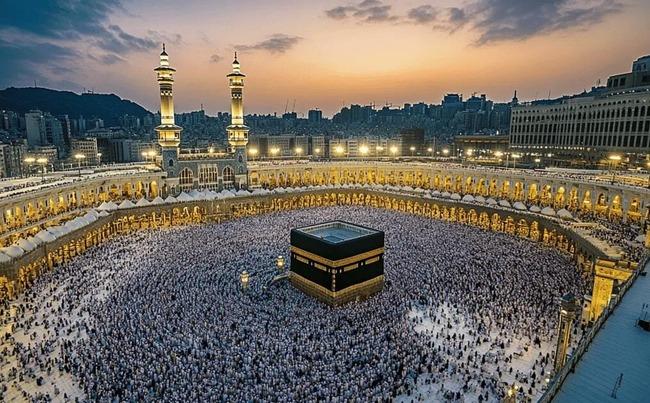
Saudi Arabia Introduces Stricter Umrah Visa Rules for 2025: Five Key Changes Pilgrims Must Know
Umrah is a special pilgrimage for Muslims to Mecca, considered sacred, and is distinct from the Hajj pilgrimage. Unlike Hajj, which is performed after the month of Ramadan, Umrah can be undertaken at any time. It includes rituals such as visiting the Kaaba, performing prayers, and other devotional acts, but does not include the visit to Mount Arafat or the ritual of stoning Satan, which are part of Hajj.
Recently, the Saudi government announced new rules for Umrah. People entering on a tourist visa are not eligible to perform Umrah.
Those undertaking Umrah must wear simple white clothes (similar to the male Ihram during Hajj). This dress is considered a form of spiritual initiation. Ideally, pilgrims should put on these garments 30 km before reaching Mecca, but Indian pilgrims often wear them at the airport itself.
The Umrah rituals include circling the Kaaba seven times. After completing this, pilgrims step outside and perform the shaving or trimming of hair to complete the pilgrimage. Female pilgrims do not shave their heads, but they are required to trim three to five strands of hair.
Umrah Visa Rules for 2025: Five Key Changes Pilgrims Must Know
Saudi Arabia has announced major updates to Umrah visa regulations and pilgrimage protocols for 2025, effective June 10, aimed at enhancing safety, streamlining pilgrim flows, and preventing misuse.
Here’s a breakdown of the five key changes every prospective pilgrim should know:
1. Pre-Confirmed Hotel and Transport Required
Pilgrims must now secure verified hotel bookings and local transport before applying for an Umrah visa. All arrangements should be made through the official Nusuk platform or licensed travel agents. The rule is designed to reduce fraud, prevent overcrowding, and ensure smoother pilgrim movement.
2. Tourist Visas Cannot Be Used for Umrah
Tourist visas are no longer valid for performing Umrah. Pilgrims must obtain a dedicated Umrah visa, which requires submitting verified hotel and transport bookings. This ensures better control of pilgrim movements and prevents misuse of tourist permits.
3. Strict Rules for Staying with Hosts
Pilgrims planning to stay with family or friends in Saudi Arabia must provide the host’s unified Saudi ID during visa application. Any changes to arrival, departure, or accommodation must be updated in the system, improving tracking and crowd management.
4. Nusuk Portal Central to the Process
The Nusuk platform now serves as the central hub for the entire Umrah journey. Pilgrims can apply for visas, book hotels and transport, and manage itineraries — all in one place. This digital integration reduces paperwork, prevents duplication, and simplifies the pilgrimage experience.
5. Enhanced Oversight and Enforcement
Saudi authorities are strengthening supervision of pilgrim logistics. Pre-bookings, host IDs, and itinerary tracking allow better crowd control, minimize unauthorized arrangements, and improve overall security.
Why These Reforms Matter
These changes reflect a shift toward a digitally managed and regulated Umrah experience. Pilgrims must plan ahead, use official channels, and remain compliant with accommodation and schedule requirements. With the Nusuk portal now central to almost every step — from visa application to transport — incomplete bookings or undocumented changes could lead to visa delays or denials.
As the pilgrimage season approaches, awareness of these rules is crucial for a smooth and safe journey to Mecca.


