
New COVID Variant PJ.2.1 Spreading Globally: Should We Worry?
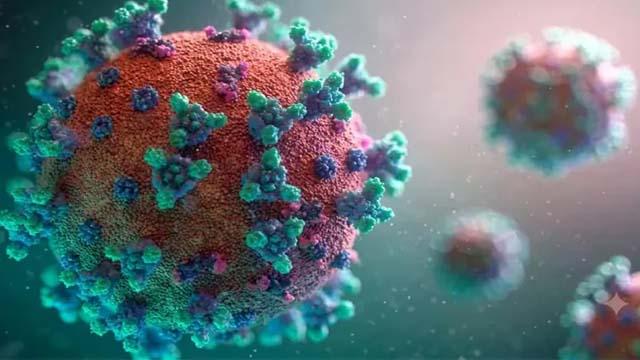
COVID-19 is back in the headlines with the emergence of a new variant called PJ.2.1. First detected in Canada in May 2026, the variant has since been identified in several countries, including the United States, France, Spain, Singapore, Australia and New Zealand.
Its growing presence across different regions has raised concerns about a possible increase in COVID-19 infections. However, health researchers say there is currently no clear evidence that PJ.2.1 causes more severe illness than previously circulating variants.
But what makes this new COVID-19 variant different, and should people be worried about another wave?
What Is PJ.2.1?
PJ.2.1 is a newly identified version of the coronavirus carrying several genetic changes. According to researchers, it belongs to the JN.1 lineage, a family of COVID-19 variants that has continued to evolve over time.
A study published in October 2026 identified changes in the variant's spike protein, the structure that allows the virus to attach to and enter human cells. Scientists are examining whether these changes could influence the virus's ability to infect cells and evade existing immune protection. However, further research is needed to understand how these laboratory findings translate into real-world infections.
What Are the Symptoms of the New COVID Variant?
There is currently no confirmed evidence that PJ.2.1 causes a different set of symptoms compared with earlier COVID-19 variants. Common symptoms associate with COVID-19 include fever, cough sore throat, fatigue, muscle pain and a runny nose. Some infected individuals may also experience breathing difficulties or a loss of taste and smell.
Should We Be Worried About PJ.2.1?
Although the new variant has attracted international attention, there is currently insufficient evidence to suggest that it causes more severe illness. Preliminary laboratory findings indicate that existing vaccine-including antibodies may still provide some protection against the variant. Health experts continue to monitor its spread and recommend following routine precautions, particularly for older adults and people with weakened immune systems. Staying up to date with recommended vaccinations, maintaining good hygiene and avoiding close contact with other when experiencing symptoms can help reduce the risk of infection.

