
KP Sharma Oli And Sheikh Hasina: 5 Striking Similarities in Their Fall From Power
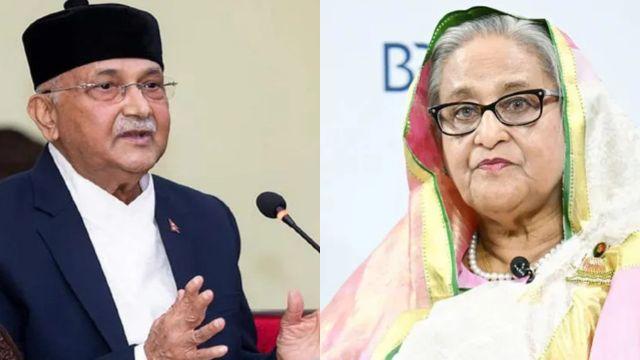
The eruption of a Gen Z–driven movement in Nepal, the storming of the Himalayan nation’s Parliament, and the eventual resignation of Prime Minister KP Sharma Oli have prompted inevitable comparisons with the dramatic fall of Sheikh Hasina in Bangladesh.
From the sparks that ignited the protests to the eventual ouster of the leaders in India’s immediate neighbourhood, here are five striking parallels that are hard to ignore.
1. Protests led by youth and students
In Nepal, thousands of young people—particularly from Generation Z (born between 1997 and 2012)—took to the streets after the government banned 26 social media apps. The demonstrations escalated rapidly, culminating in the storming of Parliament and the torching of former Prime Minister Oli’s residence. What began as a reaction to a “minor” ban soon snowballed into mass anger over corruption and economic decline. Protesters also targeted “nepo kids” flaunting privilege online, making hashtags like #NepoBabies trend across TikTok and Viber.
Bangladesh saw a similar youth-led uprising in mid-2024, when university students protested a 30% civil service quota reserved for descendants of 1971 war veterans. The policy, critics argued, entrenched nepotism and favoured Awami League loyalists. The agitation swelled further after allegations that Islamist groups hijacked the movement. Social media again played a central role, with students using Facebook and WhatsApp to rally against Hasina’s authoritarian rule and corruption.
2. Small triggers, massive outcomes
In both countries, seemingly narrow policy decisions sparked sweeping movements.
In Nepal, the social media ban acted as the trigger that toppled the Oli government. In Bangladesh, the quota protests of 2024 ignited a broader anti-authoritarian, anti-corruption uprising that ultimately forced Hasina out.
3. Casualties in the hundreds
The uprisings extracted a heavy human toll. In Bangladesh, weeks of unrest claimed nearly 1,500 lives. In Nepal, security forces opened fire on demonstrators, leaving at least 20 dead.
4. Leaders targeted, institutions breached
Protesters in Bangladesh stormed Prime Minister Hasina’s official residence Ganabhaban, looted it, and set it ablaze along with Parliament. Ministers’ homes, including those of Anisul Haque and Amir Hossain Amu, were also torched.
Nepal saw echoes of the same fury. Oli’s residence was set on fire, forcing his evacuation by helicopter. Protesters attacked the Khumaltar home of former PM Pushpa Kamal Dahal, while viral videos showed Deputy Prime Minister and Finance Minister Bishny Paudel being chased and beaten by mobs.
5. Prime Ministers ousted, armies step in
In both crises, the army played a decisive role. Oli sought help from Nepal Army chief General Ashok Raj Sigdel to control the unrest and secure his safe exit before stepping down. In Dhaka, Bangladesh Army chief General Waker-uz-Zaman pressed Hasina to resign, paving the way for her departure on August 5, 2024.


